







Today almost every career demands some sort of post-secondary training, whether it’s vocational or academic. Luckily for both workers and employers, Victoria has plenty to offer in terms of colleges, universities and other professional training, including adult education, for both grads and undergrads. Here’s how this city got to become today’s world-class educational centre.
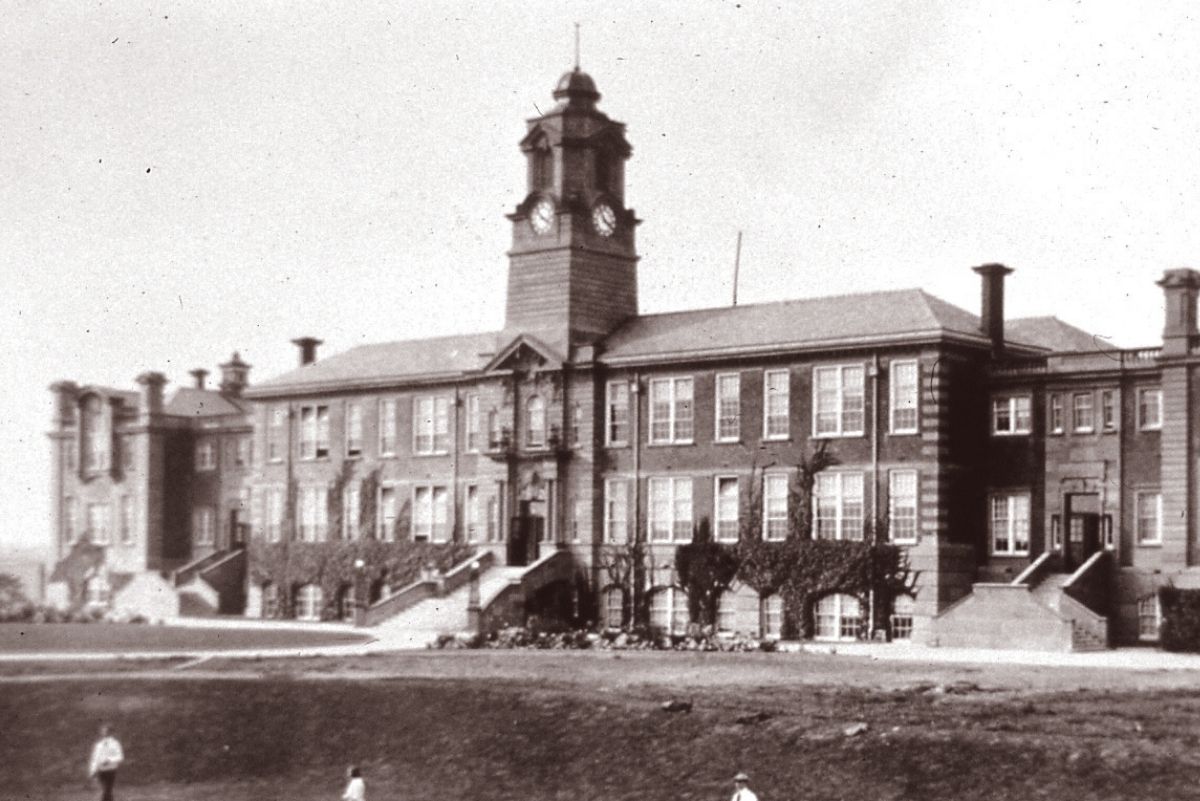
1903 – Victoria College
British Columbia’s first post-secondary institution opens in the province’s capital city. Victoria College is an affiliate of Montreal’s McGill University, its motto the somewhat laid back “Tuum est” — “It’s up to you.” The precursor to modern-day University of Victoria shares the same space and principal as Victoria High School.
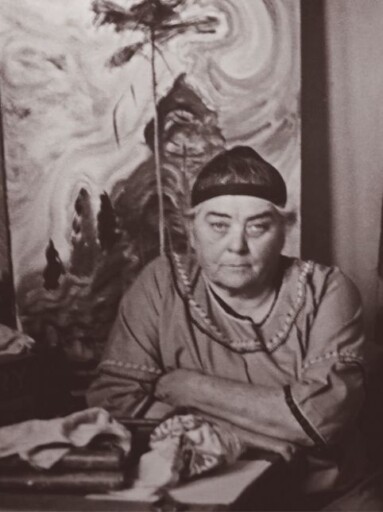
1913 – Sprott Shaw College
Sprott Shaw College, a satellite of the Vancouver Business Institute founded in 1903 by Robert James Sprott and William Henry Shaw, opens in Victoria to offer business and office training. Among its celebrated alumni is Victoria’s own Emily Carr, who would go on to become one of the world’s most highly regarded artists.
1920 – Vic College
In 1915, the University of British Columbia opens in Vancouver, and an act of legislation forces Victoria College to suspend operations. Five years later, Vic College reopens as an affiliate of UBC, offering similar two-year programs but with much, much better digs — while UBC is still teaching class in the “Fairview shacks,” Vic College moves into Craigdarroch Castle.
1940 – HMCS Royal Roads
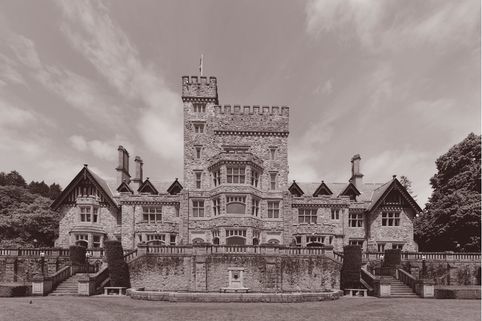
The Dominion Government acquires Hatley Castle, the Samuel Maclure-designed property of the late industrialist and former premier James Dunsmuir, with the intention of housing the Royal Family during the Second World War. But the Queen Mother puts her foot down: “The children will not go without me and I will not go without the King and the King will never go.” Instead, the 1908 property and its grounds become a training establishment for reserve officers, known as HMCS Royal Roads, named for the Royal Roads naval anchorage.
1946 – Provincial Normal School
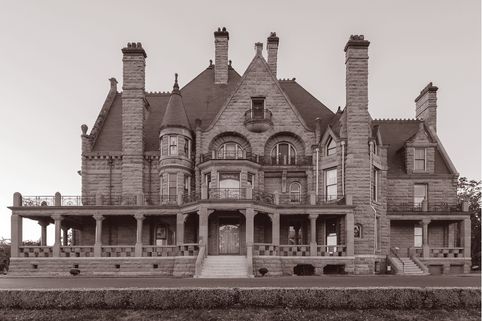
When the Second World War ends, enrolment at Victoria College booms. Students declare the overcrowded Craigdarroch campus both unsafe and unhealthy, and stage a protest at the B.C. Parliament Buildings. Soon after, the college relocates again, this time to the Lansdowne campus of the Provincial Normal School, part of the present-day Camosun College campus.
1963 – University of Victoria
On Canada Day, Victoria College gains full autonomy, degree-granting status and a new name: the University of Victoria. Over the next couple of years, it also relocates one last time, to the Gordon Head-Cadboro Bay-area campus. Today, UVic is known for, among other things, its strengths in climate and sustainability research and its unique joint Indigenous law program, and is recognized as one of Canada’s most comprehensive universities.
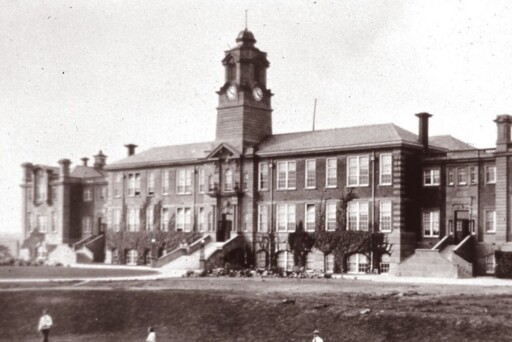
1967 – Institute of Adult Studies
Greater Victoria School Board establishes the Institute of Adult Studies on the Lansdowne campus, in the Young and Ewing buildings that were formerly part of the Provincial Normal School. Students in the Young building, which was built in 1913 and features a famous clock tower, soon find they’re not alone. Over the decades, alarms have gone off in the middle of the night for no reason, ghostly hands have reached out to prevent falls and creepy apparitions have approached before melting away to nothing.
1968 – Royal Roads Military College
After going through several name changes as a training school — among them the Royal Canadian Naval College, RCN-RCAF Royal Roads and the Canadian Services College Royal Roads — Royal Roads Military College is established.
1971 – Camosun College
A year after a plebiscite supports establishing a regional community college in Victoria, Camosun College is created by merging the Lansdowne campus with the BC Vocational School (now the Interurban campus). The name “Camosun” is a Lekwungen word that means “where different waters meet and are transformed,” which was changed from the originally planned moniker, Juan de Fuca College, when administrators realized just how “Fuca U!” might play as a college cheer.
1995 – Royal Roads University
Royal Roads Military College closes and reopens as Royal Roads University, a public applied research university that becomes known for its innovative, leadership-focused education programs for both undergraduate and graduate students. The same year, Hatley Castle is named a National Historic Site.
2025 – RRU Langford, John Horgan Campus
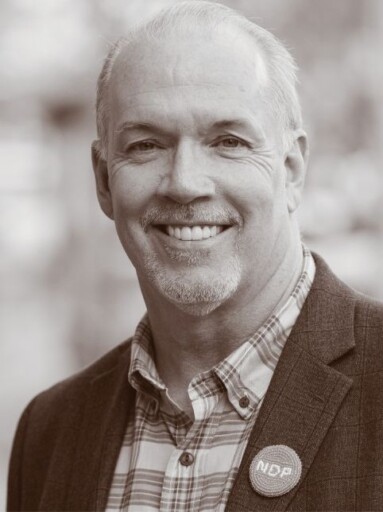
In a joint venture with UVic, Camosun, the Justice Institute of B.C.and Sooke School District, Royal Roads opens a satellite campus in Langford, and names it RRU Langford, John Horgan Campus in honour of the province’s late premier. The intention: To offer undergraduate programs with flexible, stackable pathways to a bachelor’s degree. Because everyone needs a little learning to get ahead these days.